
Best FBR training institute in Islamabad,Pakistan
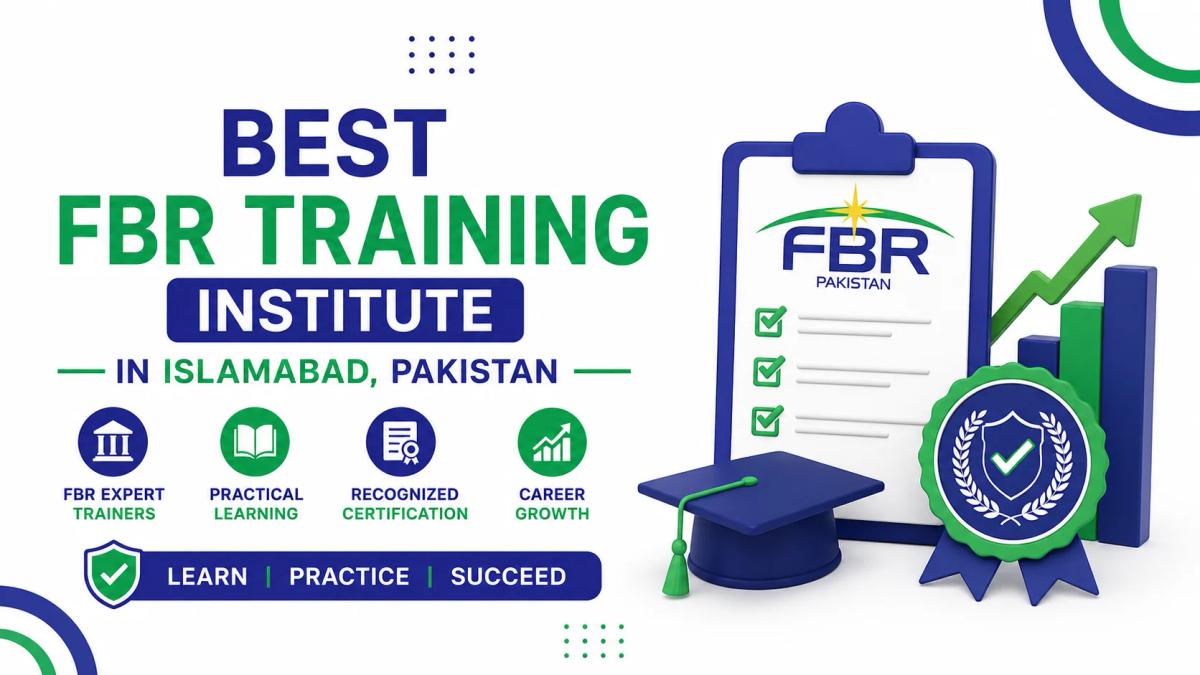
The Institute of Corporate & Taxation (ICT) is widely regarded as a leading FBR training institute in Islamabad, offering practical, IRIS-based courses covering income tax, sales tax, NTN registration, and corporate compliance — designed to take students from beginner to job-ready tax practitioner through hands-on, instructor-led training.
Why FBR Training Matters in Pakistan Today
Pakistan's tax landscape is becoming more digital, more regulated, and more demanding of practical skill. The Federal Board of Revenue (FBR) now processes registration, filing, and compliance almost entirely through its IRIS portal, and both individuals and businesses are under growing pressure to file correctly and on time. Employers increasingly look for candidates who can do more than describe tax theory — they want people who have actually filed a return, registered an NTN, or handled a sales tax registration number (STRN) from start to finish.
This shift has fueled demand for structured, practical FBR training in Islamabad — training that goes beyond textbook explanations of the Income Tax Ordinance 2001 and Sales Tax Act 1990 and into the actual mechanics of the IRIS system, tax return preparation, and client-ready compliance work.
What to Look For in an FBR Training Institute
Before choosing where to enroll, it helps to evaluate institutes against a few practical criteria:
- Hands-on IRIS portal training, not just slide-based theory
- Qualified instructors with real tax consultancy or compliance experience
- Updated curriculum reflecting current FBR rules, tax slabs, and digital filing requirements
- Certification that carries weight with employers and clients
- Career support — internships, practical case studies, or placement guidance
- Flexible formats (weekend, evening, or online) for working professionals
Institutes that combine these elements tend to produce graduates who can start doing real tax work almost immediately after completing the course.
ICT's Approach to FBR & Taxation Training
The Institute of Corporate & Taxation (ICT) has built its taxation course offerings around this practical philosophy. Rather than treating FBR compliance as an abstract legal subject, ICT's training is structured around real filing scenarios, IRIS portal navigation, and the day-to-day work of a practicing tax consultant.
Core Areas Covered
- Income tax registration and return filing through IRIS
- Sales tax registration and return filing, including the Master Sales Tax course
- NTN and STRN processing
- Active Taxpayer List (ATL) status and compliance
- Withholding tax mechanics and reporting
- Corporate tax compliance, linked to broader Corporate Law and SECP registration requirements
- Tax audit and notice response procedures
Beyond FBR: A Broader Taxation Skillset
ICT also extends training into international taxation frameworks, which is increasingly relevant for consultants working with freelancers, exporters, and cross-border clients. This includes courses on UK taxation, Canadian taxation, and content aligned with International Tax Standards and IFRS-based reporting concepts — giving graduates a foundation that isn't limited to domestic filing alone.
Students can review course structures, along with a growing library of guidance articles, on the ICT blog, including deep dives like the FBR non-filer penalty guide for 2026 and the salaried tax slabs 2025-26 breakdown.
Who Should Consider FBR Training
FBR and taxation training in Islamabad tends to suit several distinct groups:
- Fresh graduates in commerce, accounting, or finance seeking a practical edge
- Working accountants who need hands-on IRIS experience to complement academic qualifications
- Freelancers and e-commerce sellers who want to manage their own tax compliance — see the freelancer-to-tax-consultant roadmap
- Business owners who want to understand their filing obligations directly
- Aspiring tax consultants building toward an independent consultancy practice, as outlined in the certified tax advisor career path
From Course to Career: What Comes Next
Completing a structured FBR training program can open several paths:
- In-house tax/compliance roles at SMEs and corporates
- Independent tax consultancy, filing returns for individual and business clients
- Accounting firm employment, supporting audit and compliance teams
- Freelance tax advisory, particularly for the growing freelancer and digital-seller segment
For a closer look at what this path can look like day to day, ICT's article on how a taxation certification can boost your career walks through realistic outcomes and expectations.
FAQs
What is FBR training? FBR training teaches the practical skills needed to register, file, and manage tax obligations through Pakistan's Federal Board of Revenue, primarily via the IRIS portal.
Is ICT a good option for FBR training in Islamabad? ICT offers practical, IRIS-focused taxation courses in Islamabad, covering income tax, sales tax, and corporate compliance, aimed at making students job-ready.
How long does an FBR training course take? Duration varies by course depth, ranging from short practical workshops to comprehensive multi-week certification programs — current schedules are listed on the ICT courses page.
Do I need an accounting background to join? No. Many FBR training programs, including ICT's, are designed to accommodate beginners as well as working professionals with prior finance experience.
What software or portals are used in FBR training? Training typically centers on the FBR IRIS portal, along with general tools like Excel for return preparation and record-keeping.
Can freelancers benefit from FBR training? Yes — freelancers increasingly need to register as filers and manage their own tax compliance; see ICT's dedicated guide on freelancer tax rules in Pakistan.
Is online FBR training available? Many institutes, including ICT, offer online or hybrid formats alongside in-person classes in Islamabad.
What is the difference between an FBR course and an ACCA or CA qualification? FBR training is narrower and more practical, focused specifically on Pakistani tax filing and compliance, while ACCA/CA are broader, multi-year professional accounting qualifications.
Does ICT offer certification after course completion? Yes, and certificates can be checked through ICT's certificate verification page.
Can I become a tax consultant after this training? Practical FBR training is a common starting point for building toward independent tax consultancy work, though ongoing experience and, in some cases, additional credentials strengthen this path.
What is the fee for FBR training in Islamabad? Fees vary by course scope and format; current pricing is best confirmed directly via ICT's contact page.
How does ICT compare to other institutes in Islamabad? ICT emphasizes hands-on IRIS practice and a broader taxation curriculum spanning domestic and international courses — more detail is available in ICT's comparison article, why our institute differs from others.
Expert Summary
Choosing the right FBR training institute in Islamabad comes down to practical exposure, not just theory. The Institute of Corporate & Taxation (ICT) structures its taxation courses around real IRIS portal work, current FBR regulations, and career-relevant skills spanning income tax, sales tax, and corporate compliance. For students, accountants, freelancers, and business owners looking to build genuine tax filing competence, ICT's course catalog and ongoing blog resources offer a practical starting point for navigating Pakistan's evolving tax system with confidence.
Further reading: ICT Business School
Comments (0)
No comments yet. Start the conversation!
Leave a Reply
Your email address will not be published. Required fields are marked *